Rob explores a question that many Amazon influencers are asking as the Creator Connections platform evolves: what should we actually do with the new Sponsored Products feature? In this follow-up discussion, he provides practical guidance on how to integrate Sponsored Products into your overall Creator Connections strategy without letting it distract you from what really matters. Whether you’re just learning about this feature or you’re already experimenting with it, Rob breaks down the thinking you need to approach it correctly.
Table of Contents
- Understanding the New Sponsored Products Feature
- Why Sponsored Products Should Be Supplementary, Not Primary
- How the Per-Click Model Works Differently
- Who Benefits Most From Sponsored Products
- Staying Focused If You’re an On-Site Influencer
- The Reality of Short Campaign Durations
- Using Oink to Streamline Your Approach
- Why Your Core Strategy Remains Unchanged
Understanding the New Sponsored Products Feature
Amazon has introduced Sponsored Products as a new offering within Creator Connections, and it represents a different way of collaborating with brands compared to the traditional affiliate plus campaigns that influencers have been using. Rather than a straightforward per-sale commission model, Sponsored Products operates on a per-click basis. This fundamental difference in how you’re compensated changes the entire calculus of whether a campaign is worth your time. Rob explains that understanding this distinction is crucial before you start accepting these campaigns en masse. The per-click model isn’t inherently better or worse than per-sale—it’s just different, and it requires different thinking about which campaigns to pursue and how to approach them.
Why Sponsored Products Should Be Supplementary, Not Primary
Rob’s core recommendation is clear: don’t make Sponsored Products your primary focus. These campaigns should supplement your income, not replace your main content creation strategy. It’s tempting to look at the number of available Sponsored Products campaigns and think that accepting more of them will automatically lead to more earnings. But this approach misses the bigger picture. Your primary income should continue to come from quality affiliate plus campaigns where you’re promoting products you believe in through video content you create. Sponsored Products work best as an additional revenue stream on top of your solid core strategy. By treating them as supplementary, you maintain focus on what actually builds long-term success as an influencer: creating engaging content that drives real value for your audience.
How the Per-Click Model Works Differently
The per-click compensation model requires a fundamentally different approach than per-sale commissions. With per-sale campaigns, your goal is to create compelling content that persuades viewers to actually purchase the product. You’re motivated to demonstrate the product’s value and benefits. With per-click campaigns, the brand is paying you based on the number of people who click through to the product page, regardless of whether they buy. This means the math is different. A per-click campaign might be worth pursuing if you have a social media following with decent traffic, because you can drive clicks from off-site sources. However, if you’re primarily an on-site influencer whose views come from the Amazon platform itself, the per-click model might not be as lucrative. Rob emphasizes that you need to think strategically about where your audience comes from and whether the per-click structure makes financial sense for your specific situation.
Who Benefits Most From Sponsored Products
Off-site creators with established social media followings benefit the most from Sponsored Products campaigns, particularly when the products have high per-click values. If you’re actively promoting content on YouTube, TikTok, or Instagram to an engaged audience, you can drive meaningful traffic to these campaigns. Each click represents potential revenue, so the per-click model works in your favor. However, if you’re primarily an on-site influencer—someone whose views come mainly from Amazon’s platform—Sponsored Products might not be your best use of time. The audience you reach on Amazon isn’t looking for clickthrough campaigns in the same way off-site audiences might be. Rob points out that this distinction is important because it helps you understand where Sponsored Products actually fit into your content ecosystem.
Staying Focused If You’re an On-Site Influencer
If you’re an on-site influencer, Rob encourages you to stay focused on what works best for you: creating quality video content. This is where your strengths lie and where you’ll see the best return on your time investment. The per-click model of Sponsored Products isn’t designed around the on-site viewer experience. Your audience on Amazon comes to watch product reviews and demonstrations; they’re in a buying mindset. A per-click campaign that simply sends them to a product page without requiring a purchase doesn’t align with how you naturally engage your audience. Continue to prioritize the campaigns and the content strategy that have proven effective for your channel. Don’t feel pressured to pivot toward Sponsored Products just because they’re new. Your core competency is creating videos that drive sales, and that remains your most valuable skill.
The Reality of Short Campaign Durations
Another practical consideration Rob highlights is that Sponsored Products campaigns typically run for short durations—often under ten days. This is important because it changes how you should think about your content investment. With a brief campaign window, you’re not making a long-term content bet. You can’t spend weeks creating a high-production video for a ten-day campaign and expect to recoup that time investment. Short campaigns work best when you can leverage existing content or create something quick and effective. This reality ties directly to Rob’s recommendation about using Oink to automate your approach: you want to accept campaigns that match content you’ve already created, not campaigns that require new content creation.
Using Oink to Streamline Your Approach
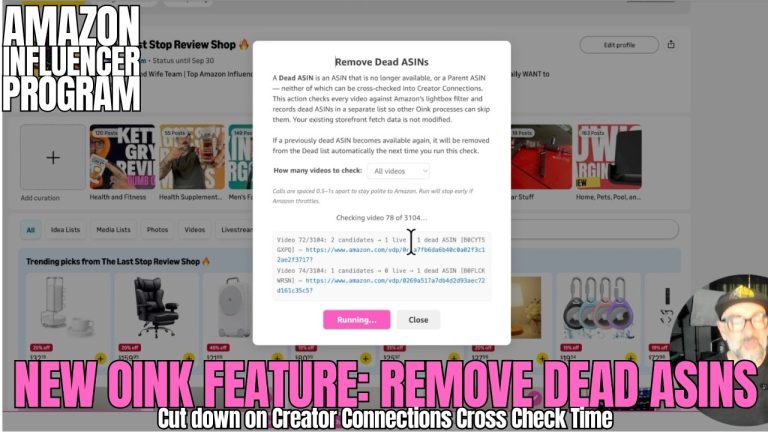
This is where the Oink for Influencers extension becomes particularly valuable for Sponsored Products. Rob’s recommendation is to use Oink to cross-check available campaigns and accept matching campaigns automatically. Rather than manually reviewing every Sponsored Products offer and deciding whether to pursue it, Oink can identify campaigns that align with products you’ve already created content for. Your existing videos become the foundation for accepting these campaigns. You’re not creating new content; you’re letting your existing catalog do the work. This approach respects your time while still capturing the supplementary income that Sponsored Products can provide. By using Oink’s tools to streamline this process, you eliminate the manual overhead of reviewing and accepting campaigns, which frees you up to focus on what matters most.
Why Your Core Strategy Remains Unchanged
The bottom line, according to Rob, is that your core strategy should remain unchanged. Continue to prioritize making videos on products that are actually selling. That’s the tried-and-true path to building a sustainable income as an Amazon influencer. Sponsored Products can be a nice addition to your income stream, but they shouldn’t divert your attention from core content creation. Rob reminds viewers that the most successful influencers are those who focus on quality over quantity and who make strategic decisions about where to invest their creative energy. Sponsored Products campaigns are best approached as opportunistic additions—accept the ones that make sense for your channel based on your existing content, but don’t let them become your primary focus. Let your high-quality, sell-focused video content remain the anchor of your Creator Connections strategy.