Amazon has rolled out a significant update to its Creator Connections program, introducing a new Sponsored Products component that operates on an entirely different model than traditional affiliate plus campaigns. Rob dives into this new earning opportunity in this comprehensive walkthrough, explaining how the pay-per-click structure works, who qualifies to participate, and how creators can leverage the Oink extension to automate their campaign management. This represents a substantial addition to the Creator Connections ecosystem and could provide meaningful supplementary income for eligible creators.
Table of Contents
- Understanding the New Sponsored Products Program
- Who Can Access Sponsored Products Campaigns
- The Pay-Per-Click Earnings Structure
- Campaign Duration and Daily Opportunities
- Automating Campaign Management with Oink
- Positioning for Maximum Click Value
- Important Considerations and Cautions
- Rob’s Perspective on This New Opportunity
Understanding the New Sponsored Products Program
Rob explains that Amazon has created a distinct Sponsored Products program within Creator Connections that functions separately from the existing affiliate plus campaigns. This isn’t a replacement for traditional Creator Connections—it’s an additional earning stream running parallel to what creators have become accustomed to. The critical distinction between these two models cannot be overstated. Sponsored Products operate on a completely different foundation: they’re paid per click rather than per sale, and they have no halo sales component whatsoever. This fundamental shift in how earnings are calculated represents a new approach by Amazon to compensate creators for driving traffic rather than conversions.
Who Can Access Sponsored Products Campaigns
Not every creator in the Amazon Influencer Program will have immediate access to Sponsored Products campaigns. This opportunity is currently limited to Gold and Platinum tier creators, which means you’ll need to have achieved and maintained these higher status levels within the program. This tiered approach reflects Amazon’s strategy of reserving the program for creators who have demonstrated consistent performance and audience engagement. If you’re still working toward Gold tier status, reaching these milestones becomes even more valuable now, as the opportunity cost of not being at these levels includes missing out on this additional revenue stream entirely.
The Pay-Per-Click Earnings Structure
The earning model for Sponsored Products is straightforward in concept but variable in practice. Creators earn a predetermined amount for each click on their unique links, with rates ranging from $0.01 to $2.50 per click. This wide range means that some campaigns will be significantly more lucrative than others, creating an incentive to strategically choose which campaigns to promote. Unlike traditional Creator Connections campaigns where the payouts are static across a brand’s entire program, individual Sponsored Products campaigns appear to have different click values, likely determined by factors like product category, expected conversion rates, and budget allocation from the sponsoring brands.
Campaign Duration and Daily Opportunities
Rob emphasizes that Sponsored Products campaigns are deliberately short-term in nature. Most campaigns run for less than ten days, which creates a fundamentally different promotional strategy than traditional affiliate plus campaigns. Amazon’s algorithm curates approximately 500 new personalized product campaigns daily, meaning there’s constant turnover in available opportunities. This daily refreshing of campaigns means creators have regular new choices to evaluate, but it also means decisions must be made relatively quickly before campaigns disappear. The short-term nature of these campaigns actually works in creators’ favor when it comes to maintaining calendar space and promoting content—you’re not locked into long-term commitments like some traditional Creator Connections campaigns require.
Automating Campaign Management with Oink
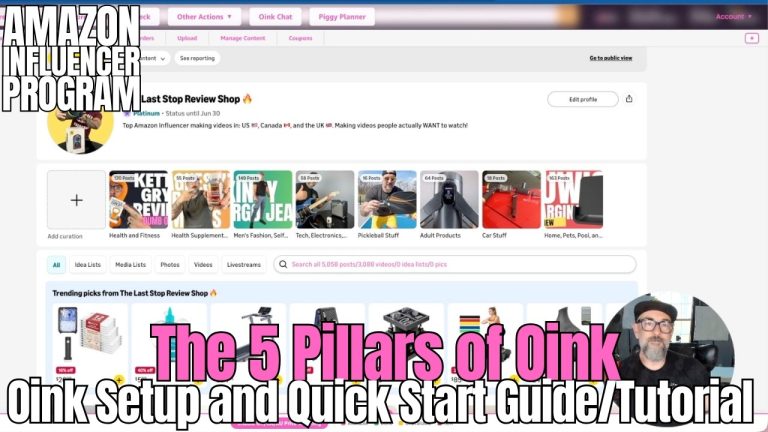
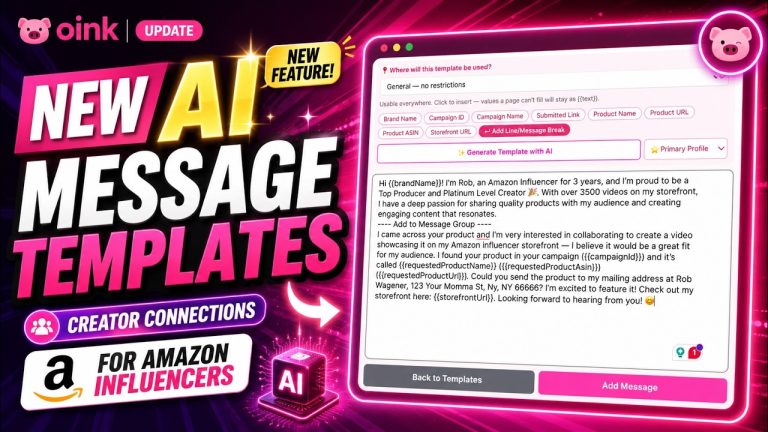
Rob has updated the Oink for Influencers extension to help creators manage the administrative burden of reviewing and accepting new campaigns. The extension can now automate the process of accepting campaigns and handling link submissions, which becomes increasingly valuable when 500 new campaigns appear daily. However, Rob includes a thoughtful caution here: he recommends avoiding the “Accept All” button at this time. While the feature exists, the documentation doesn’t adequately clarify what link submission requirements might be involved, and creator reports haven’t fully established best practices yet. This measured approach reflects Rob’s commitment to helping creators avoid potential issues while the program is still relatively new. Taking time to accept campaigns individually allows you to verify that the products align with your content strategy and audience.
Positioning for Maximum Click Value
Rob notes an interesting advantage that certain types of creators have with Sponsored Products campaigns. Off-site influencers—those who promote products through Facebook groups, TikTok, Instagram, or other social media platforms rather than strictly through Amazon-hosted content—tend to see advantages with higher per-click products. This is because driving traffic from external platforms to Amazon represents value from Amazon’s perspective, potentially justifying higher click compensation. Additionally, the algorithm shows budget levels for each campaign categorized as high, medium, or low, though exact dollar amounts aren’t displayed. Understanding that a campaign has “high” budget status can help creators make decisions about which campaigns merit their promotional effort, especially when weighing several opportunities simultaneously.
Important Considerations and Cautions
Rob approaches this new program with cautious optimism, but there are several practical considerations creators should keep in mind. First, there’s no brand messaging component in Sponsored Products like there is with traditional Creator Connections campaigns, meaning you’re primarily responsible for how you present these to your audience. Second, reporting for Sponsored Products will live in the Creator Hub alongside traditional campaigns but in a dedicated new tab, so familiarizing yourself with that dashboard when it becomes available will be important. Third, the short-term nature of campaigns means you’ll need to stay actively engaged with the program rather than setting up promotions and letting them run. Neglecting to check for new campaigns could mean missing high-value opportunities that appear and disappear within days.
Rob’s Perspective on This New Opportunity
Overall, Rob frames Sponsored Products as a meaningful additional earning opportunity without overstating its transformative potential. He’s cautiously optimistic about the program’s viability and the supplementary income it could provide to creators who actively engage with it. However, he also notes a potential concern: brands might increasingly prefer Sponsored Products campaigns over traditional Creator Connections because they require lower commitment and potentially lower financial investment. If this trend develops, it could shift the composition of available campaigns in the Creator Connections program overall. The key takeaway is that Sponsored Products should be viewed as an additional tool in the creator’s monetization toolkit rather than a replacement for building a sustainable, diversified income strategy focused on consistent content creation and organic audience growth.