If you have been noticing a drop in your sales, halo sales, and Creator Connections campaign activity, you are not alone. Rob dives into the pressing issue many Amazon influencers have been facing and explains exactly why these numbers have dipped. Spoiler: it is not just because of January seasonality. The real culprit involves fundamental changes to the Creator Connections early access system and a massive reduction in available campaigns that caught many creators off guard.
Table of Contents
- The Creator Connections Early Access Reduction
- Understanding the November Transition
- The Campaign Availability Collapse in Late December
- How Campaign Scarcity Affected Acceptance Rates
- The Q4 Hangover Effect and Brand Pullback
- Consumer Spending Patterns and Halo Sales
- Strategic Positioning by Storefront Type
- Moving Forward: The Path to Recovery
The Creator Connections Early Access Reduction
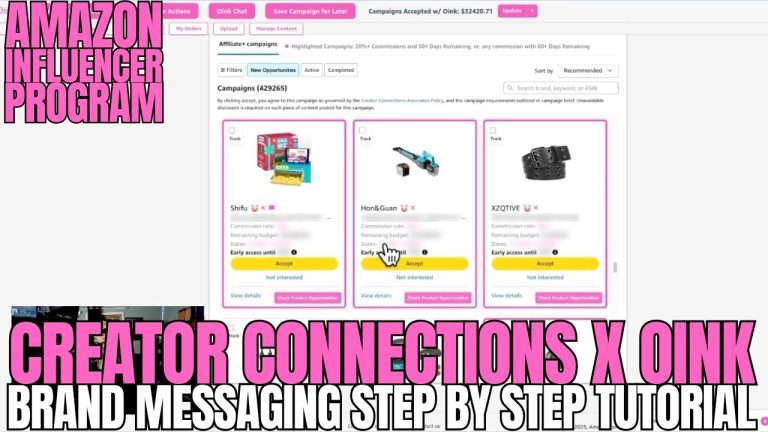
Rob reveals that the primary driver behind the recent dip is a significant change to the Creator Connections early access system. Previously, creators who had early access received a 30-day window before campaigns went public. This meant you had an entire month to identify, accept, and create content for campaigns before the broader creator community could see them. Amazon reduced this window to just 7 days. This change happened in November and fundamentally altered the landscape for creators who relied on that extended early access period to build their campaign portfolios and plan their content strategies ahead of the competition.
Understanding the November Transition
The timing of this transition compounded its impact. November is already a critical month for Amazon influencers as they prepare for the holiday shopping season. When the early access window was slashed from 30 days to 7 days, creators suddenly found themselves with significantly less time to capitalize on new campaigns. Rob explains that this was not a gradual change but rather an abrupt shift that caught many influencers off guard. The reduced window means creators must now be much more agile in identifying and accepting campaigns, as the competitive advantage that early access once provided has been significantly diminished.
The Campaign Availability Collapse in Late December
On top of the early access changes, the end of December brought an even more dramatic development. Rob reports that approximately 100,000 campaigns were pulled from Creator Connections, representing about a 17 percent drop in available campaigns. Very few new campaigns were added during the last week of December because brands were on holiday break. Even more concerning, new campaigns did not really start getting added until about January 7th. This created an almost two-week dead zone where campaign availability was at a fraction of normal levels, and the campaigns that were being removed were not being replaced at anywhere near the usual rate.
How Campaign Scarcity Affected Acceptance Rates
When you run your Oink cross checks during a period of reduced campaign availability, the results naturally look worse. Rob explains that your acceptance rate drops because there are simply fewer campaigns to match against your products. If you were accustomed to seeing a certain acceptance rate when running cross checks, that number likely plummeted during this period. This is not a reflection of your content quality or your strategy. It is purely a supply-side issue where the number of available campaigns temporarily fell off a cliff. As campaigns return to normal levels, these acceptance rates will recover accordingly.
The Q4 Hangover Effect and Brand Pullback
Rob also addresses the Q4 hangover effect. October through December represents the peak season for Amazon influencers with heightened consumer spending, aggressive brand campaigns, and inflated sales figures across nearly every product category. When January arrives, the contrast is stark. Brands tend to pull campaigns after the holidays as they reassess their marketing budgets for the new year. This creates a natural lull that makes January numbers look particularly bad when compared to the Q4 highs. The combination of brands pulling existing campaigns and being slow to launch new ones created a perfect storm of reduced opportunity for creators.
Consumer Spending Patterns and Halo Sales
Halo sales took a hit for an additional reason beyond campaign availability: consumer spending patterns. Rob explains that people simply buy less stuff in January after spending heavily during the holiday season. Even if clicks on your content remain consistent, halo sales have a harder time converting because consumers are not in the same buying mindset they were in during Q4. When people are not purchasing as much, the secondary purchases that generate halo sales naturally decline. Both your storefront conversions and halo sales are affected because both originate primarily from clicks on your storefront content.
Strategic Positioning by Storefront Type
Not all influencers are equally affected by the January dip. Rob notes that your storefront type and niche play a significant role in how much impact you feel. Health and fitness content, supplements, and New Year resolution-related products actually tend to perform well in January. Rob himself makes good money in January because his content focuses on fitness and supplements, categories that see increased interest as people commit to New Year health goals. If your content is focused on categories that align with January consumer behavior, you may weather this period better than creators in other niches. This underscores the importance of making videos on products that are actually selling in the current season.
Moving Forward: The Path to Recovery
Rob emphasizes that this situation is cyclical and temporary. Campaigns will return as the year progresses and brands launch their new marketing initiatives. The key is not to panic about the temporary dip but instead to use this downtime productively. Focus on making more videos, improving your content quality, and positioning yourself for when campaign activity picks back up. Oink cross check results will show improved numbers as campaigns return to normal levels. The influencers who use this quieter period to build their content library and refine their approach will be best positioned to capitalize when the campaign ecosystem recovers to full strength.