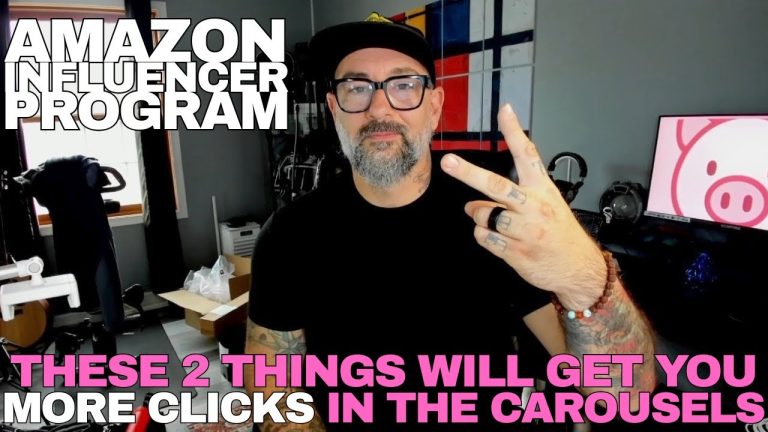
In this video, Rob breaks down the number one mistake influencers make when crafting their brand messaging in Creator Connections—and more importantly, he shows you exactly how to fix it. If you’ve been sending carefully formatted messages to brands only to wonder why they’re not getting responses, this video might just explain why. Rob walks through the common formatting pitfalls that confuse international brand representatives and introduces a game-changing solution that transforms the way you communicate with potential collaborators.
Table of Contents
- The #1 Formatting Mistake That Kills Your Messages
- Why Line Breaks Are Your Biggest Problem
- The Oink Messaging Solution
- Leading With Value in Your Message
- Building Your Credibility Section
- The Power of Being Direct and Specific
- The Complete Message Framework
- Final Tips for Maximum Brand Response
The #1 Formatting Mistake That Kills Your Messages
When it comes to reaching out to brands in Creator Connections, many influencers put careful thought into what they want to say. They structure their messages with line breaks, create visual hierarchy, and craft something that looks professional on their end. But here’s the problem: what looks good when you’re typing it often arrives at the brand’s inbox looking completely different. Rob explains that this formatting disconnect is the number one reason why perfectly good brand pitches fail to get responses. The issue isn’t with what you’re saying—it’s how you’re saying it, and specifically, how Amazon is reformatting it on the other end.
Why Line Breaks Are Your Biggest Problem
The root cause of this messaging nightmare is surprisingly simple: Amazon strips all of your manual line breaks. Every carefully planned break you create in your message, every visual separation between ideas, gets completely removed. Your nicely structured message turns into one giant, overwhelming paragraph blob on the brand’s screen. For native English speakers, this might be annoying but manageable. But many brand representatives at these companies are non-native English speakers, and a wall of unformatted text is genuinely confusing to them. They’re trying to parse your message quickly, extract the key information, and move on to the next one. When they can’t easily scan your message because it’s all run together, they’re far more likely to skip it and move to the next pitch. Rob emphasizes that this formatting issue compounds the already heavy volume of messages these brand reps receive.
The Oink Messaging Solution
This is where the Oink for Influencers extension becomes invaluable. Instead of fighting Amazon’s line break stripping, Oink works with it. The system creates the illusion of line breaks by sending multiple separate messages. When you craft your pitch using Oink’s messaging interface, you can organize your thoughts into logical sections. Oink then sends each section as its own message, which means Amazon respects the line break between each sent message. The brand rep on the other end sees your communication exactly as you intended it—organized, scannable, and easy to understand. This simple workaround completely changes the game for your message formatting and dramatically increases the likelihood of getting a response.
Leading With Value in Your Message
Beyond just formatting, Rob walks through the essential content strategy for your brand messages. The first thing you need to do is lead with value. Before you ask for anything, tell the brand rep what you already bring to the table. Mention that you’ve already created a video or content on a similar product in your niche. This immediately shows the brand that you’re not just another random creator asking for free stuff—you’re someone who actively creates content in their category. You have an established track record. By leading with value, you’re answering the brand’s first question before they even ask it: why should we work with you? This approach is far more effective than starting with a request and then trying to justify why you deserve it.
Building Your Credibility Section
After establishing value with your past work, it’s time to share your credentials. Include your Amazon influencer level—whether you’re bronze, silver, gold, or platinum. You should also mention your video count if you have a substantial number. However, if you have fewer than 200 videos, Rob recommends just stating your tier level without listing the exact number. There’s no point in highlighting that you’re still building your portfolio; focus on the tier you’ve achieved instead. When it comes to YouTube, you don’t need to go overboard. If your channel is small, simply mention that you have a YouTube channel without feeling obligated to share the link or the subscriber count. The key here is confidence without overcompensation. Don’t talk yourself down or make excuses about your growth. Present what you’ve accomplished clearly and move on.
The Power of Being Direct and Specific
Rob is emphatic about this point: be direct. Include everything a brand needs to move forward in one message. Don’t make them ask follow-up questions; don’t create a back-and-forth conversation chain. Who are you? What do you want? Where should they send it? And how can they reach you if they have questions? Get all of this information to them in a single, well-organized pitch. If you can, request a specific product with a direct link—this shows you’ve done your homework and you know exactly what you want to promote. Your shipping address should be written as a run-on sentence on one line so the brand rep can quickly copy and paste it without having to manually reformat it. At the end, include your links, but be strategic about which ones. Don’t include TikTok or Instagram links unless they’re particularly relevant; these rarely influence a brand’s decision to work with you.
The Complete Message Framework
Rob presents a clear framework that brings all of these elements together: Value, Credentials, Request, Address, and Links. Start by demonstrating value and establishing that you already create in this space. Then build credibility with your tier level and video count. Next, make your specific request with product details if possible. Fourth, include your shipping address in an easy-to-copy format. Finally, add your relevant links at the end. This framework ensures you’re covering all the bases a brand needs to make a quick decision. The beauty of this approach is that it respects the brand rep’s time. These people are overwhelmed with messages. When you eliminate the need for back-and-forth communication, you’re actually making their job easier, which in turn makes them more likely to approve your request.
Final Tips for Maximum Brand Response
The overarching principle Rob emphasizes is that directness leads to more collaborations. Brands appreciate efficiency. They want to work with creators who can communicate clearly and require minimal back-and-forth. By eliminating the need for clarifying questions, you’re positioning yourself as professional and organized. Combined with Oink’s messaging system that solves the line break problem, you’re now sending messages that are both beautifully formatted and information-complete. Rob reminds viewers that the goal isn’t to be overly casual or robotic; it’s to be clear, organized, and respectful of the brand rep’s time. When you apply this framework and use Oink to handle your formatting, you’ll see a noticeable improvement in your brand response rates.